
Mulu, Borneo
Mulu: Caves, mountains, jungle and an oasis of calm
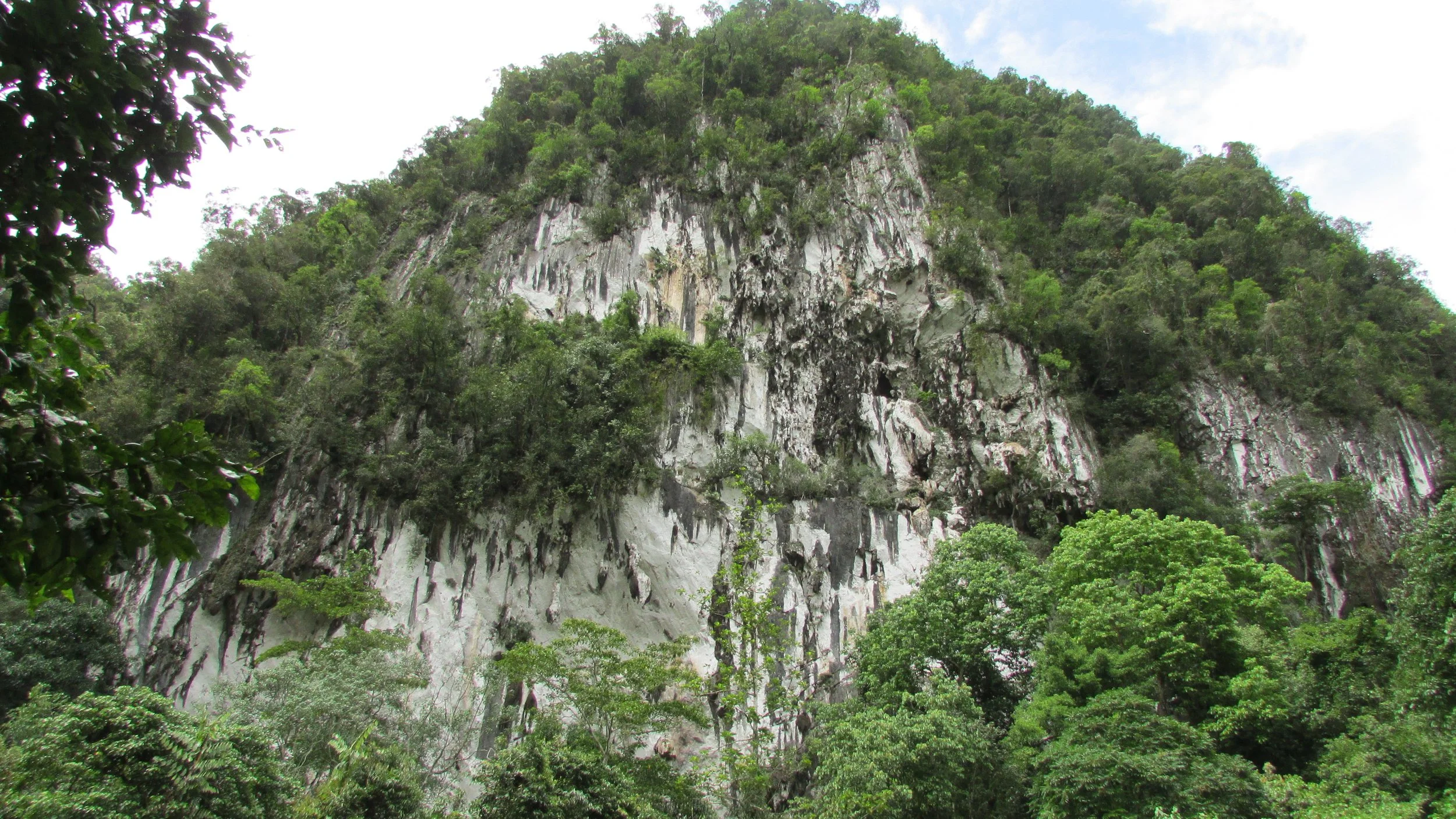
Mulu is one of my favourite places. We’ve been several times — partly because we once lived just a short flight away, and partly because it took us multiple attempts to finally see the bat exodus.
It’s remote, peaceful, and completely different from anywhere else in Borneo. A trip here is less about ticking off sights and more about experiencing rainforest, caves, and wildlife at a slower pace.
Getting There
There are two ways into Mulu — by boat or by plane.
You can travel by boat, but it involves multiple stages and long waiting times, so most visitors now choose to fly.
Flights are short and surprisingly scenic. From Miri, it’s around 20–30 minutes on a small aircraft, flying low over coastline, plantations, and dense jungle before reaching the dramatic limestone landscape around Gunung Mulu. It’s about an hour from Kota Kinabalu and 90 minutes from Kuching.
Arriving at Mulu is part of the experience — a tiny airport, luggage hand-delivered across the runway, and jungle and mountains all around.
Where to Stay
Accommodation ranges from simple homestays and lodges within the national park to the Mulu Marriott Resort & Spa.
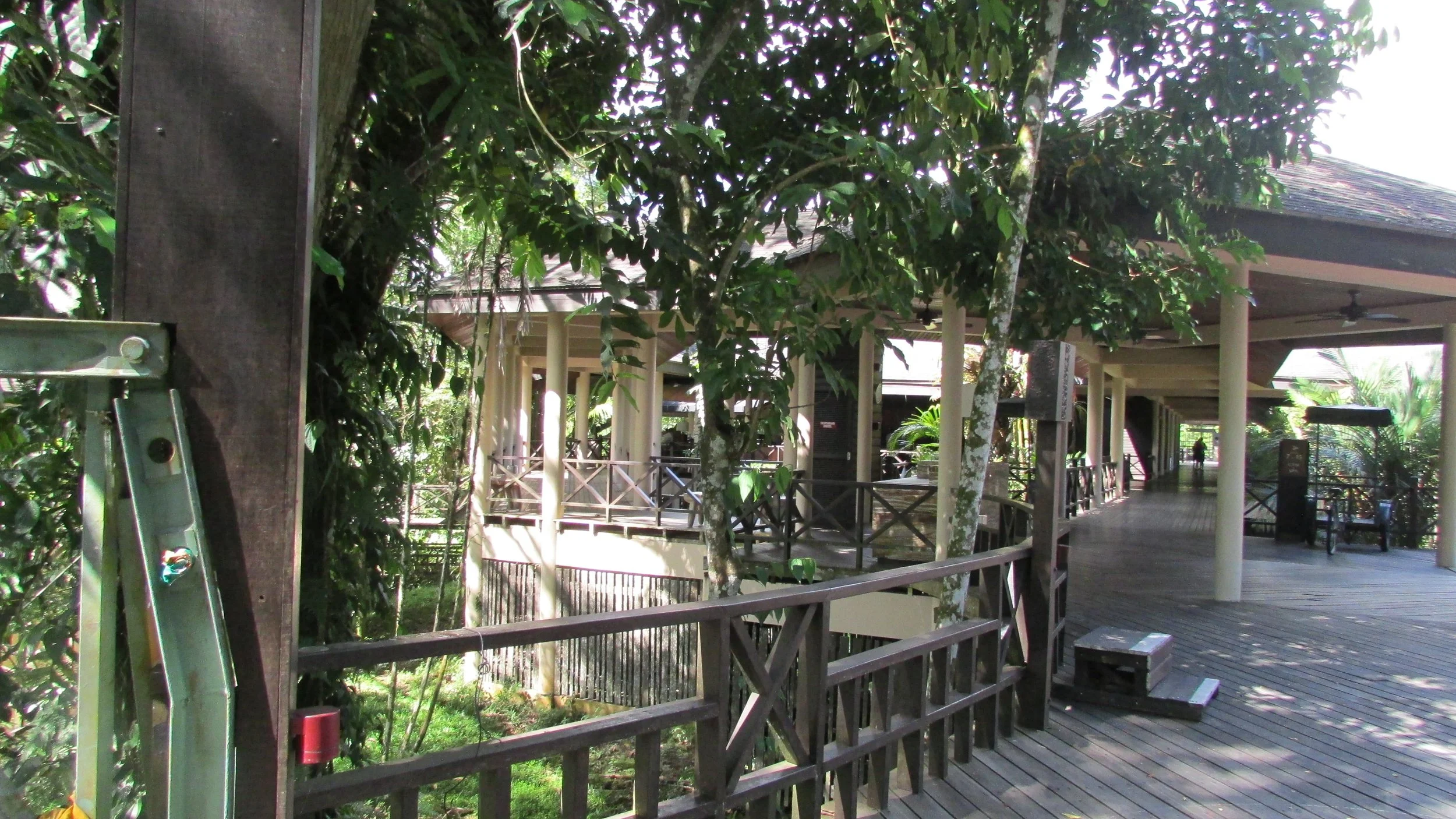
The Marriott is a popular choice and offers a good balance between comfort and setting. Built in the style of a traditional longhouse, the rooms are connected by raised wooden walkways and surrounded by rainforest.
The design is open and relaxed, with high ceilings and natural ventilation in communal areas. Rooms are simple but comfortable, with everything you need for a short stay.
One thing to be aware of — WiFi is limited to shared spaces, which encourages you to switch off and enjoy the surroundings.
What to do
The Bat Exodus
One of the most memorable experiences in Mulu is the evening bat exodus.
From the national park, a boardwalk leads through the forest to a viewing area. At dusk, millions of bats emerge from the caves, forming huge swirling patterns across the sky as they head out to feed.
It’s unpredictable — weather can affect whether it happens — but when it does, it’s extraordinary.
Clearwater Cave & Wind Cave
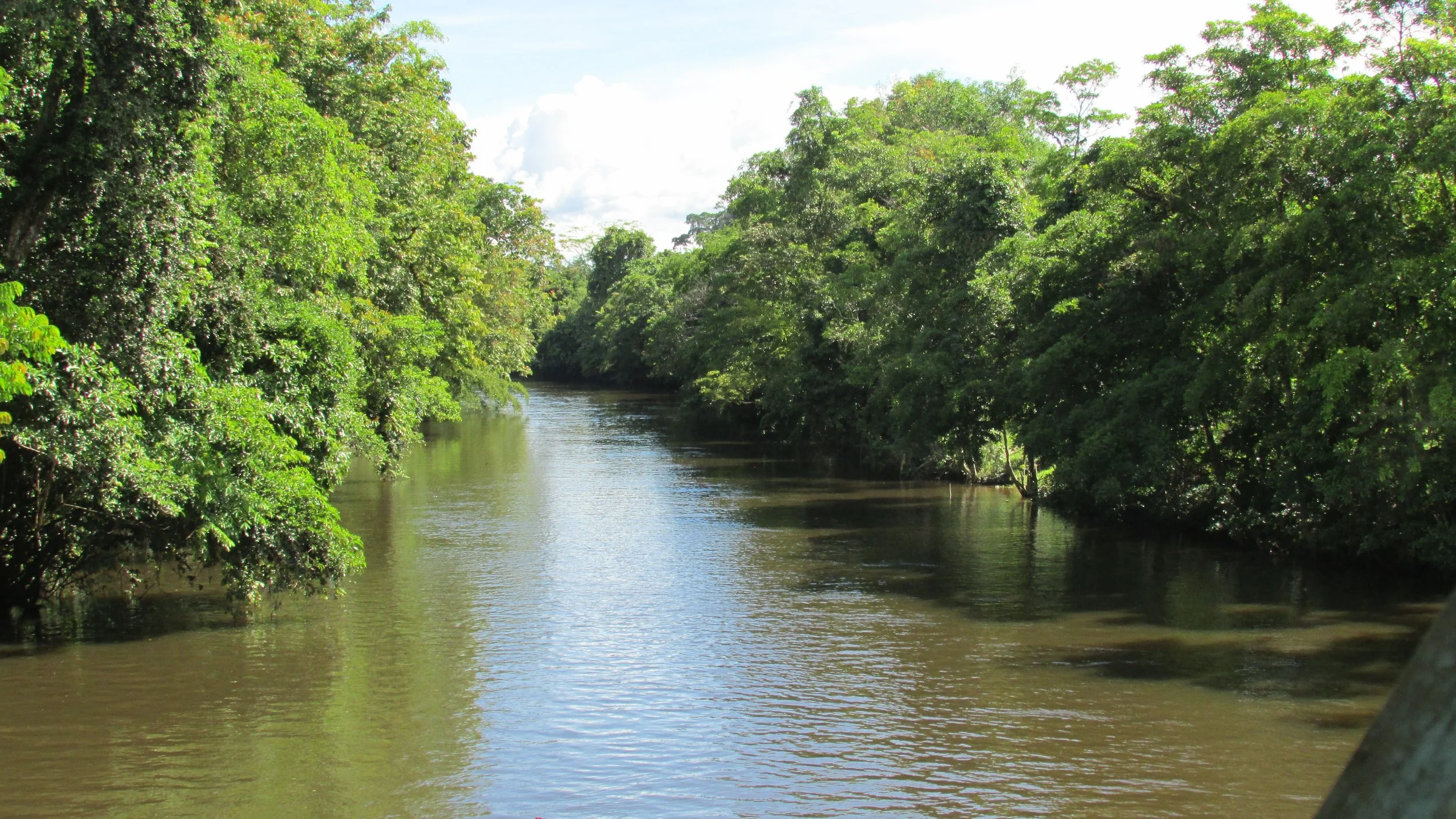
A guided trip takes you by longboat along the river to explore two of Mulu’s most impressive cave systems.
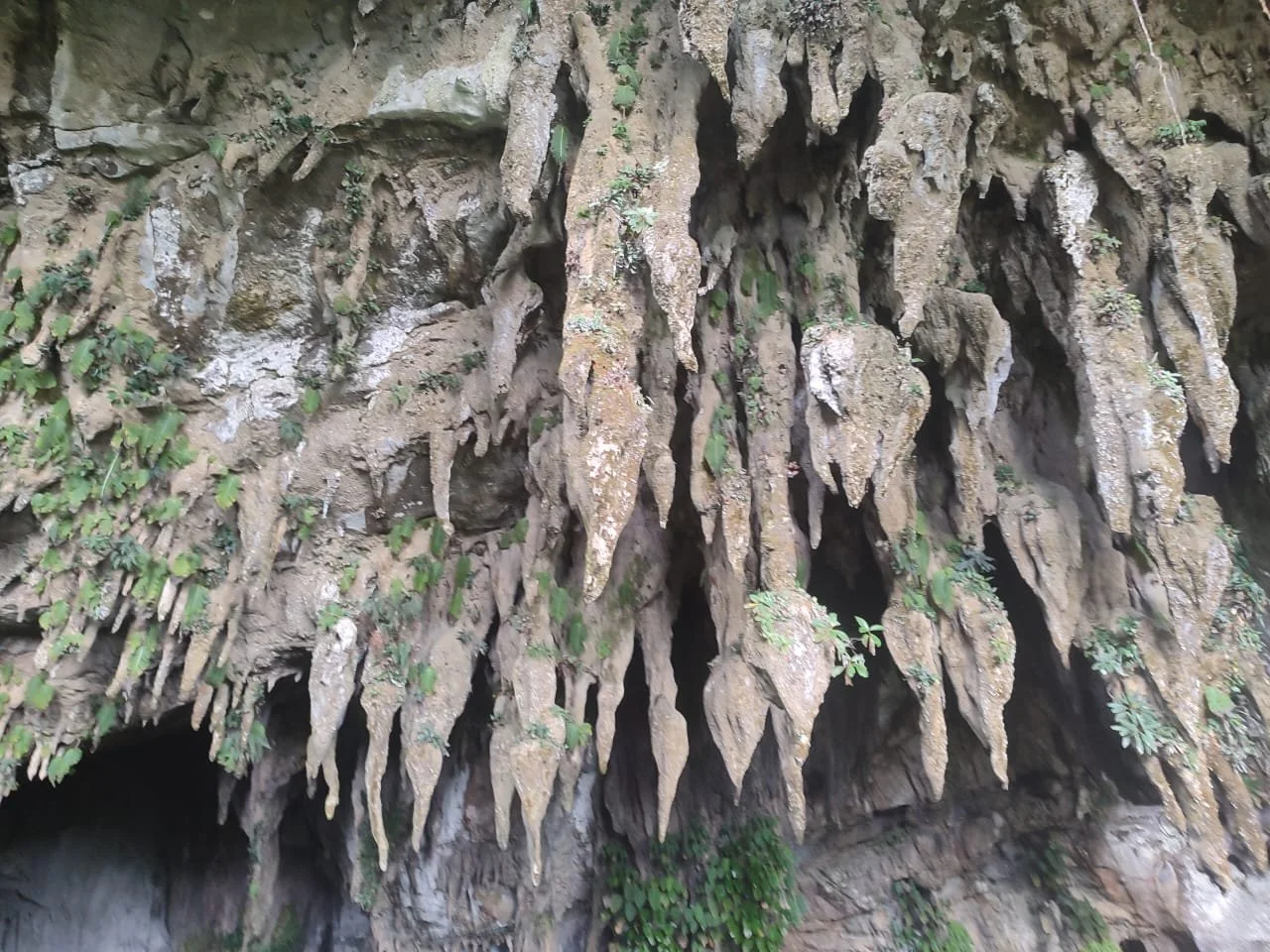
Wind Cave is known for its cool air and striking limestone formations, while Clearwater Cave is one of the largest cave systems in the world, with vast chambers and an underground river running through it.
The scale is difficult to describe — it feels raw and natural rather than overly developed.
Afterwards, there’s time to relax by the river, and for some, a quick swim.
Canopy Walk
The canopy walk offers a completely different perspective of the rainforest.
Suspended high above the ground, a series of narrow bridges stretches through the treetops. It’s slightly wobbly in places but very safe, and gives you the chance to see the forest from above, with birds and wildlife at eye level.
Suggested Itinerary
If you are short on time, it’s still possible to see the main highlights. Most visits to Mulu are between one and three days, and you can tailor your stay depending on how active you want to be.
1 day
Focus on the bat exodus and a visit to Clearwater Cave and the Cave of the Winds. This gives you a good introduction to both the cave systems and one of Mulu’s most memorable experiences.
2 days
Add the canopy walk to your itinerary. This gives you a different perspective of the rainforest and complements the cave visits well, while still allowing time to relax at your accommodation.
3 days
Include all of the above, along with additional cave visits or a night walk. This is a good balance of activity and downtime, and allows you to experience more of the park without feeling rushed.
For those looking for something more adventurous, there are longer and more physically demanding options, including the Pinnacles trek, summit climbs, or overnight stays within the park.
Even on a short trip, it’s worth allowing time to relax. The setting is a big part of the experience, and it’s somewhere that benefits from slowing down.
Other Information
Food
Given how remote Mulu is, food options are relatively limited but good.
Most visitors eat at their accommodation, where you’ll find a mix of local and international dishes. There are also a couple of simple options near the national park, including small local restaurants.
How Long to Stay
Most people visit Mulu for 2–3 nights, which is enough time to see the main highlights.
There are many more activities available, but even a short stay gives you a good sense of what makes the area special.
Final Thoughts
Mulu isn’t about luxury in the traditional sense — it’s about location, experience, and atmosphere.
It’s somewhere you come to slow down, spend time outdoors, and see things you simply won’t see anywhere else. Even a short visit feels memorable.