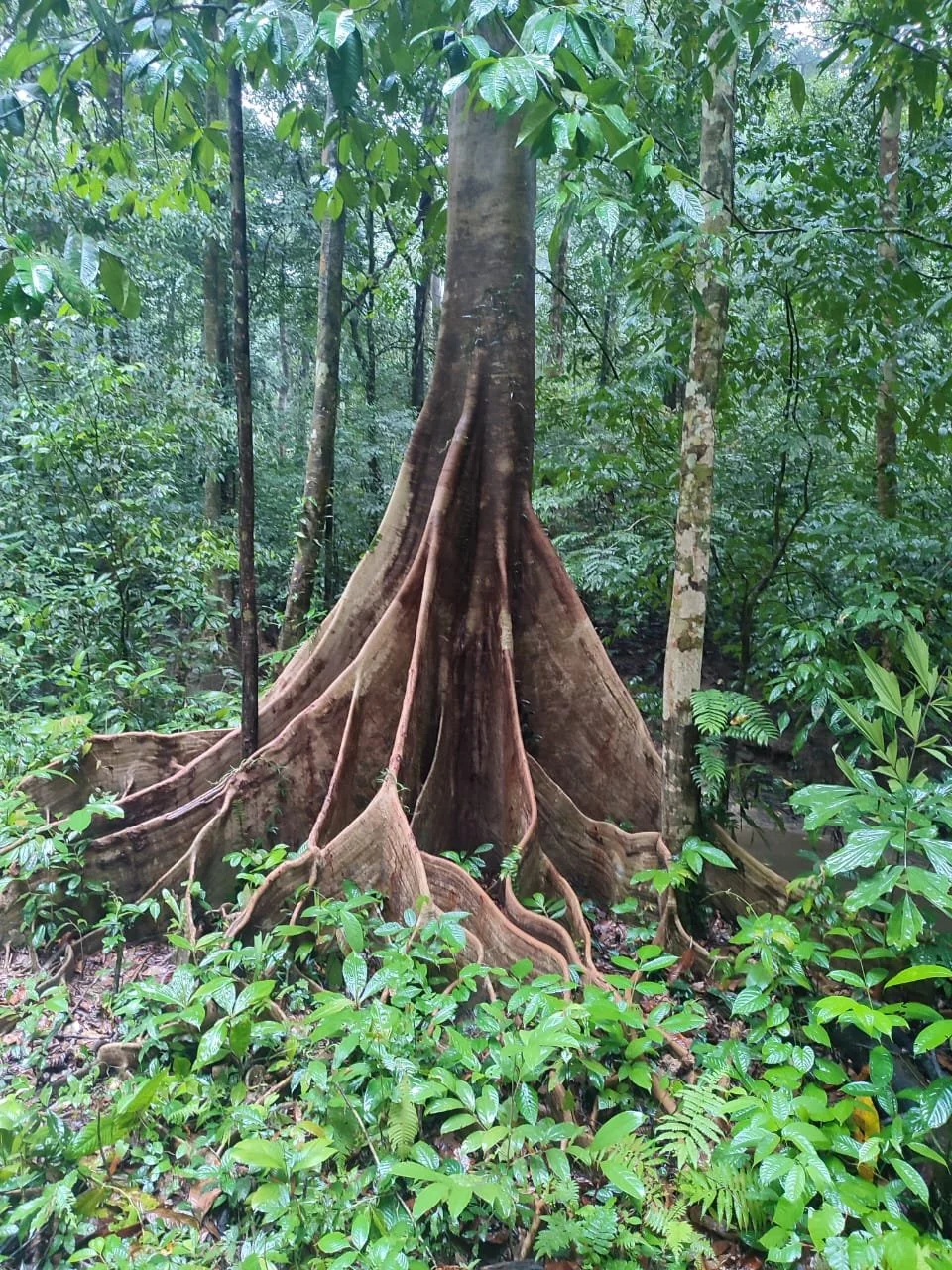
Mulu, Sarawak, Malaysia
As I mentioned in my favourites section, Mulu is one of my favourite places. We’ve been countless times — partly because, for a while, we were only a 20-minute flight away, partly because we love it, and partly because it took us 10 attempts to finally see the bat exodus!
There are two ways into Mulu — by boat or by plane. On my last visit, I spoke to a couple who had travelled by boat. Their journey involved a taxi from Miri to Kuala Baram, a boat to Marudi, another to Long Terawan, and a final boat into Mulu. They could book the first leg but had to wait around for the others. The full journey took 22 hours — including a 10-hour delay waiting for onward transport.
My much younger self may have enjoyed that adventure, but these days I opt for the plane. It’s a 20-minute hop on a Twin Otter from Miri, about an hour from Kota Kinabalu, and around 90 minutes from Kuching.
Getting there
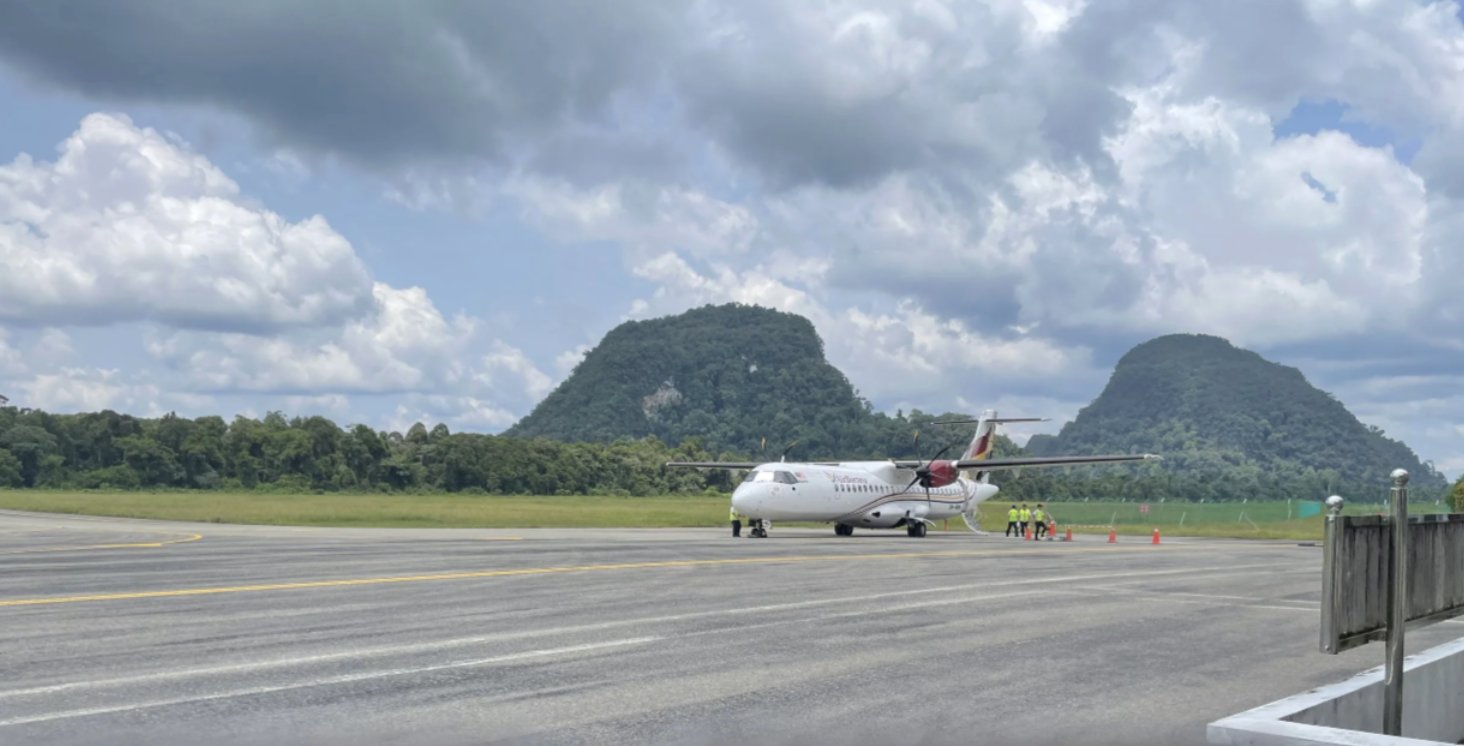
Flying from Miri to Mulu is the shortest flight I’ve ever taken. It’s scheduled for 30 minutes, but we landed in 20. The plane flies relatively low, so the views are incredible — from the Miri coastline to palm plantations, then vast stretches of jungle that look like broccoli from above, winding chocolate-coloured rivers, and finally the dramatic pinnacles and Gunung Mulu itself.
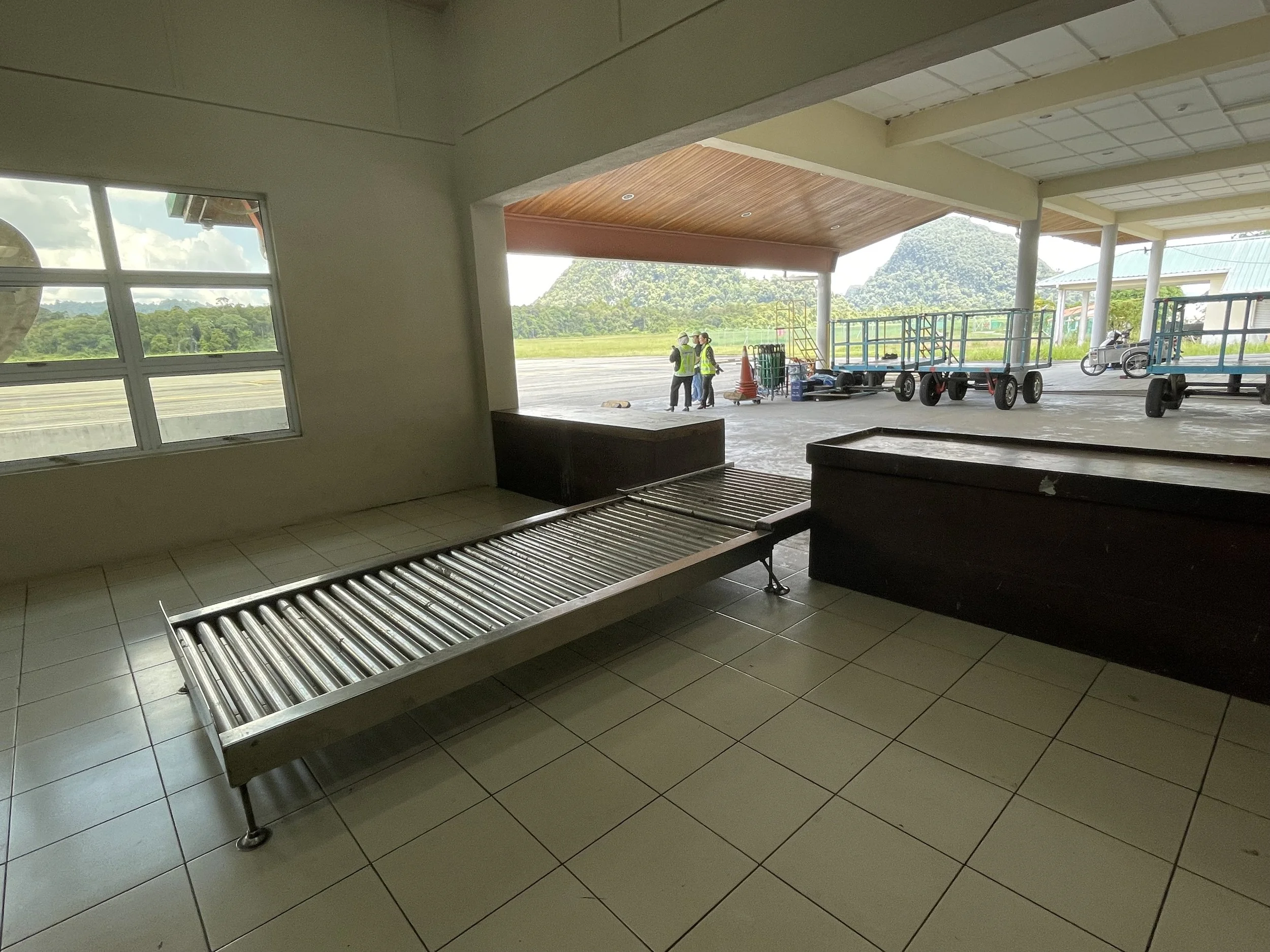
Landing in Mulu is an experience in itself. The view from the tarmac is stunning, and you’re quickly escorted into the cutest arrivals hall. You can watch your luggage being hand-pulled across the runway and placed onto what must be the world’s smallest baggage conveyor.
Where to stay
Accommodation options in Mulu range from:
homestays with local families
Benarat Lodge (a simple hotel with a pool)
park lodges inside the national park
to the Mulu Marriott
We always choose the Marriott.
The Mulu Marriott
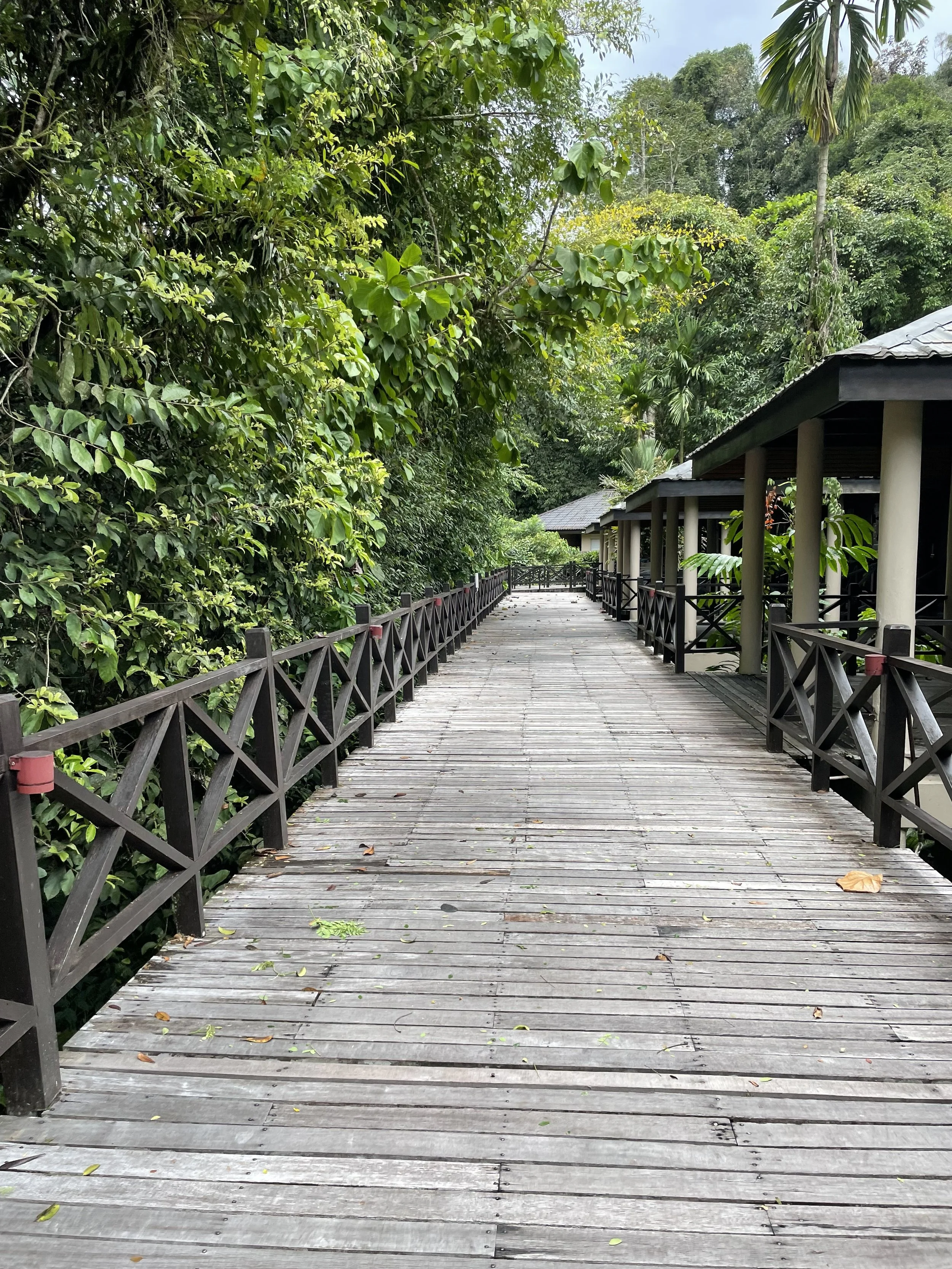
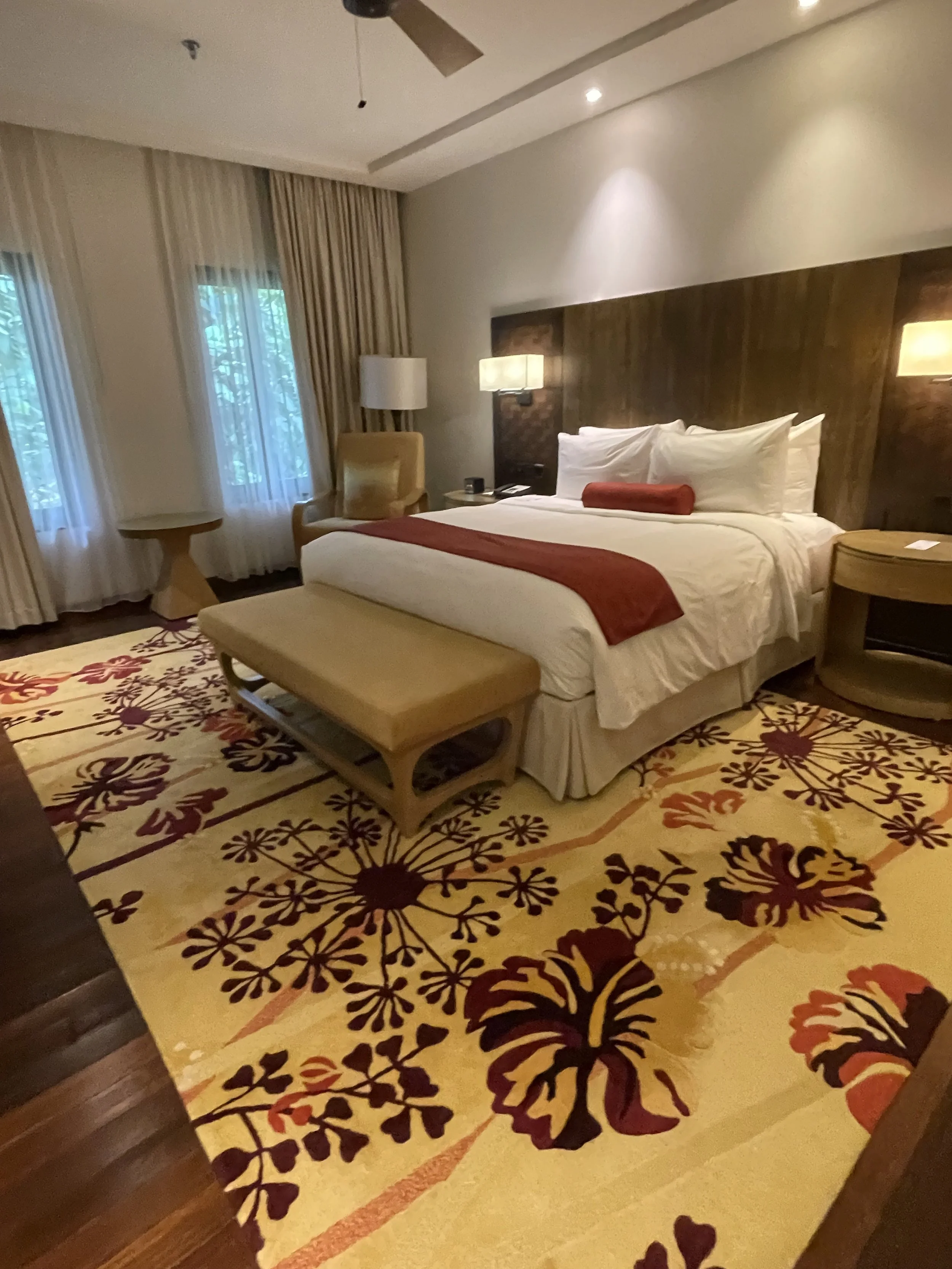
From the moment you arrive, the hotel strikes the perfect balance between simplicity and luxury. It’s built in the style of a traditional longhouse, with interconnected rooms on raised wooden walkways.
The entire resort is on stilts, surrounded by jungle, and designed to feel open to the natural environment. The lobby, with its high ceilings and wooden structure, allows a constant breeze and creates an immediate sense of calm. The staff are so welcoming and couldn’t do more for you.
One thing to note — WiFi is only available in communal areas (I once did a job interview in the lounge!). If being constantly connected is important, this may not be the place for you.
Rooms are a blend of luxury and simplicity — hardwood floors, clean Scandinavian-style furnishings, high-quality bedding, and spacious bathrooms. You’ll find all the usual amenities, and water is replenished as needed.
Food and facilities
We had lunch on arrival and spent the afternoon by the pool — one of my favourite parts of staying here.
The restaurant offers a simple but good à la carte menu for lunch and dinner, with both local and international options. In the evening, there’s also a buffet with a wide selection of dishes.
Breakfast is excellent — local fruits, hot dishes, egg station, pancakes, meats, cheeses, and a great selection of breads and pastries, including gluten- and dairy-free options.
Given the remote location (everything is flown in or brought by river), occasional shortages are understandable.
If you want to eat outside the hotel:
there’s a restaurant in the national park
and Stella’s, just over the bridge, which serves great local food and cold beer
The bat exodus
After an afternoon relaxing, we headed to the national park. While you can book excursions through the hotel, we always book directly with the park and use the free shuttle.
You’ll need to register on arrival — bring a passport copy. A 5-day pass is around 30 MYR.
We chose a self-guided walk to the bat viewing platform. The boardwalk is well maintained, though slippery when wet. It’s around 4 km each way and mostly flat.
We saw birds, spiders, and lizards — and on a previous trip, even a baby slow loris.
By dusk, around 60 people had gathered. After waiting over an hour, we thought we might be unlucky again — until the ranger asked everyone to be quiet.
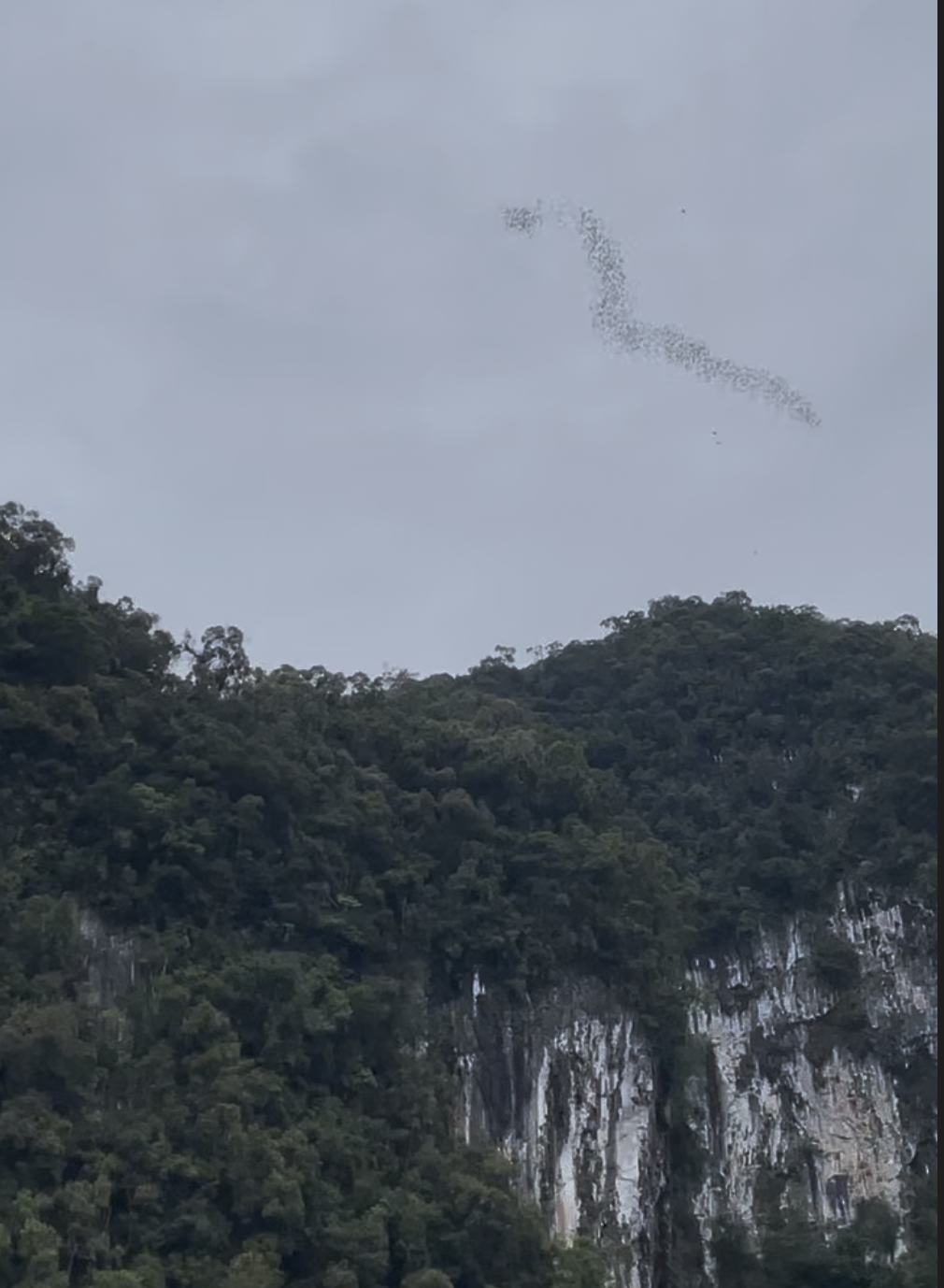
At first, just a few bats emerged. Then suddenly, thousands. Then millions.
The sky filled with movement as they twisted and turned in incredible formations. More than 3 million wrinkle-lipped bats leave the caves each evening to hunt.
It’s one of the most extraordinary natural spectacles I’ve ever seen — and well worth the wait.
Day 2 – Clearwater Cave & Cave of the Winds
We started early, heading back to the park for a guided trip.
The journey begins with a longboat ride along the river, passing through dense jungle and small settlements — a highlight in itself.
The first stop is at a local longhouse where you are shown around then shown to an area where the people are selling home made crafts. These are very reasonably priced and provide a valued income for the longhouse families. Next stop is the Wind Cave, known for its cool breeze and impressive limestone formations. Inside, you’ll see delicate stalactites and stalagmites, along with unique formations like the “King’s Chamber.”
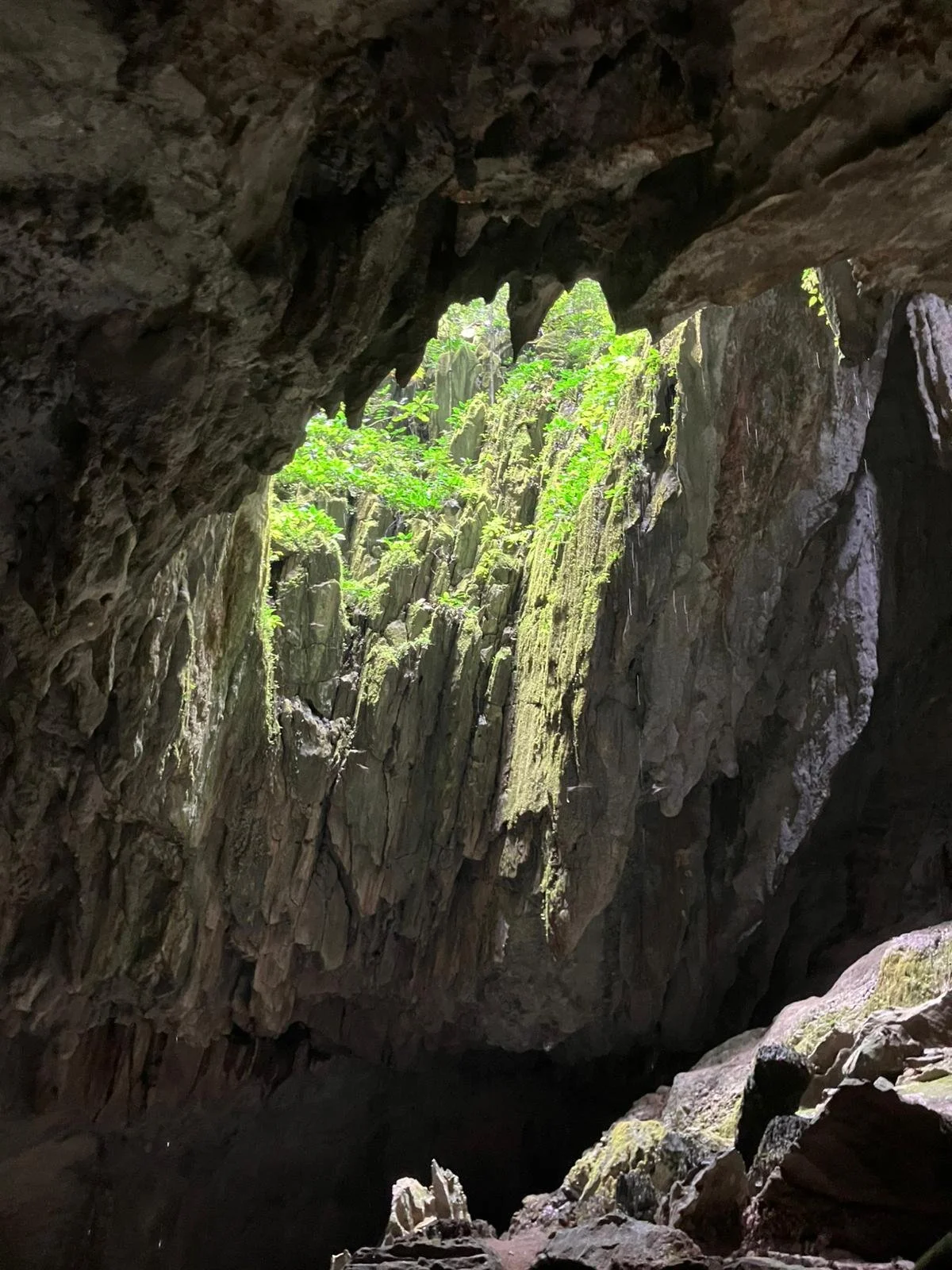
From there, it’s a short walk to Clearwater Cave, one of the largest cave systems in the world. A network of walkways leads you through vast caverns carved by an underground river.
The scale is difficult to describe — huge open chambers, echoing water, and dramatic rock formations. It feels far more natural and less “touristy” than many caves.
After exploring, you can relax by the river outside — a perfect spot for a swim if you’re feeling brave.
Whilst the tour isn’t difficult, you do have about 200 steps to climb and the longboat is a little wobbly to get back into with tired legs so the trip may not be for everyone.
Day 3 – Canopy Walk
Another early start for the canopy walk, one of Mulu’s most popular activities.
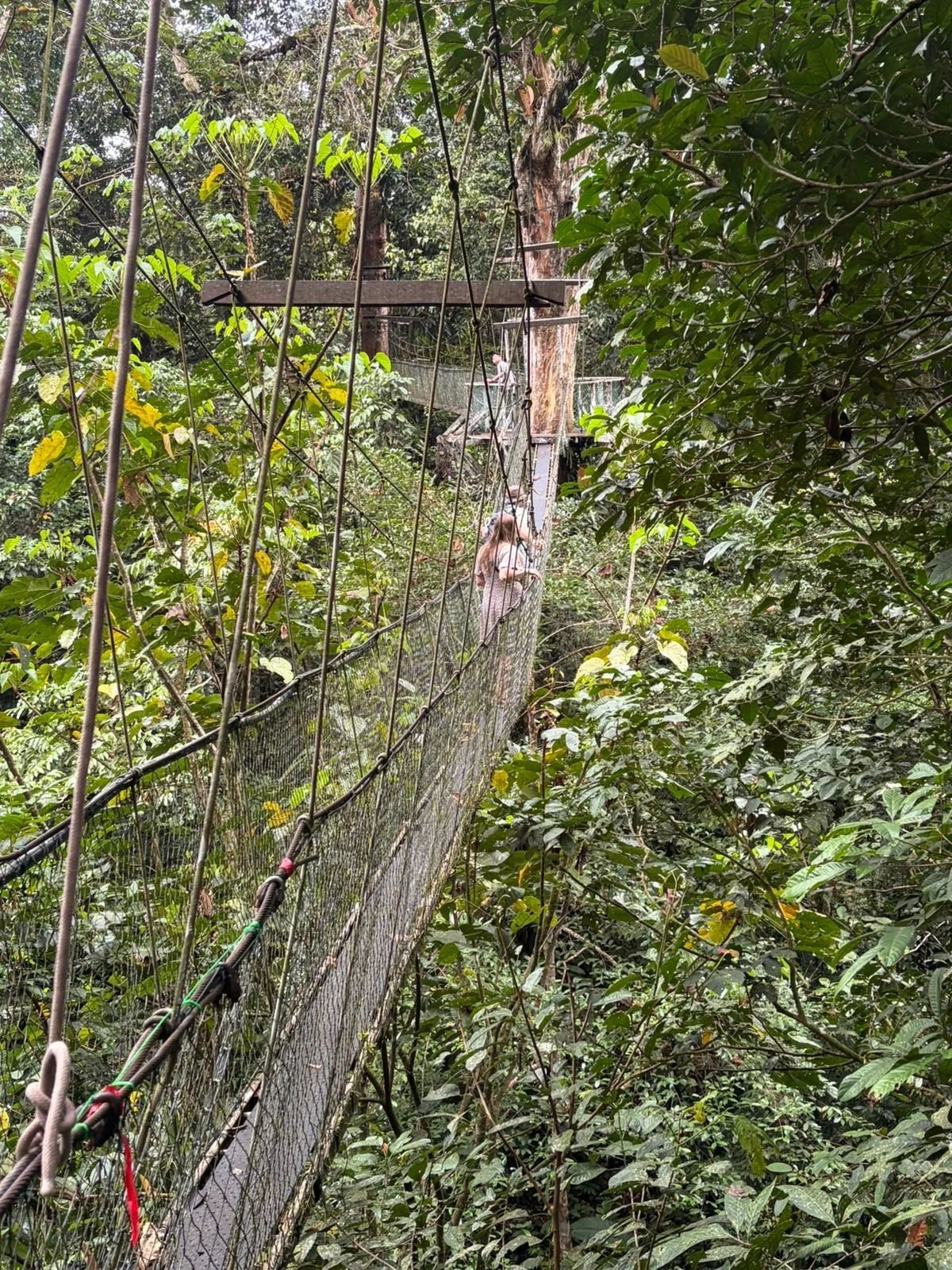
From the park HQ, you have a 1.5 km walk to the start of the canopy trail. Along the way the guide pointed out stick insects, birds, lizards and even a snake - we would never have noticed any of them alone before our safety briefing at the bottom of the trail. Suspended high above the forest floor, the walkway stretches for around 480 metres and reaches heights of up to 25 metres.
Walking across the narrow suspension bridges gives you a completely different perspective of the rainforest. You’re at eye level with the treetops, surrounded by the sounds of birds and insects. We saw a few small birds and heard the hornbills but didn’t catch a glimpse of them this time.
It’s slightly wobbly in places, but very safe — and absolutely worth it.
Leaving Mulu
After the canopy walk, we headed back for breakfast, a final swim, and then made our way to the airport.
Lots of other excursions area available but on a short, 2 night trip, this was all we could fit in. You can get more info from -https://mulupark.com/ - trips book up quickly so book your activities as soon as you’ve sorted your flights and accommodation.
You typically leave the hotel about an hour before your flight. Our transport was slightly late, which made me nervous — but the staff just laughed and said, “They know you’re coming.”